Recognition Awards
The Heart Rhythm Society Recognition Awards celebrate the achievements of distinguished heart rhythm professionals.
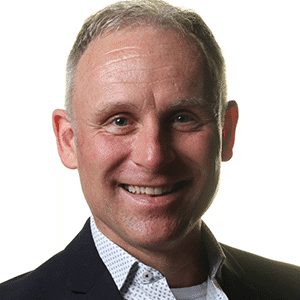
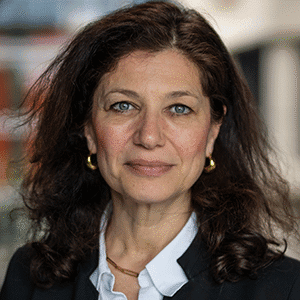
Professor Hendriks holds the inaugural Chair in Nursing Sciences with focus on Integrated Care at the department of Nursing, Maastricht University Medical Centre, and department of Health Services Research at Maastricht University in the Netherlands. Previously, he held a Chair in Cardiovascular Nursing in Australia and is affiliated with the Centre for Heart Rhythm Disorders, University of Adelaide, Australia.
His program of research focuses on the development, implementation, and evaluation of innovative models of care delivery, based on the concept of integrated care, for patients with chronic conditions, particularly atrial fibrillation.
He has a long-standing association with the Heart Rhythm Society, serving in a variety of roles over the years. He is the Chair of the Science Committee at the European Society of Cardiology’s Association on Cardiovascular Nursing and Allied Professions (ACNAP), and is the Deputy Editor of the European Journal of Cardiovascular Nursing. He serves on multiple advisory boards and as editorial board member for numerous international Journals.
His work has been internationally recognized. In 2024 he was awarded the Fellowship of the American Heart Association, in 2023 he was awarded the Fellowship of the American Academy of Nursing, and in 2022 he was inducted into the SIGMA International Nurse Researcher Hall of Fame.
Dr. Bezzina graduated in Pharmacy and obtained her PhD in Genetics from the University of Malta. She joined the Department of Experimental Cardiology at Amsterdam University Medical Center in 1997, and has since devoted her career to the understanding of the genetic causes of heritable cardiac disorders that predispose to sudden cardiac death in the young. She was appointed Professor of Molecular Cardogenetics at the University of Amsterdam in 2012. She co-leads the theme ‘Cardiomyopathy and Arrhythmia’ within the Amsterdam Cardiovascular Sciences institute of Amsterdam UMC since 2020.
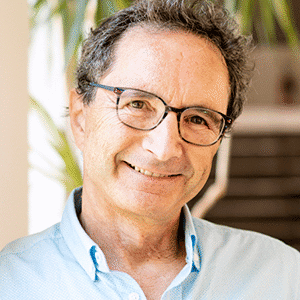
Dr. Bezzina’s early work focused on the identification of Mendelian disease genes for inherited cardiac disorders and the study of the underlying electrophysiological disease mechanisms. In 2013, she provided the first evidence for polygenic inheritance in Brugada Syndrome, a disorder previously considered monogenic, shifting the field’s understanding of the genetic basis of these disorders. Through a series of genomewide association studies, she subsequently contributed towards the establishment of this paradigm across multiple cardiac disorders, including Long QT Syndrome, Hypertrophic Cardiomyopathy, and Dilated Cardiomyopathy.
Building on these discoveries, her current research focuses on translating this knowledge into clinical practice through the development of genetic testing strategies that account for the combined impact of multiple variants through polygenic risk scores, with the goal of improving diagnosis, risk prediction, and therapy. To enable these advances, together with colleagues worldwide, she has established international consortia uniting thousands of patients affected by these disorders. In an integrative approach, her team investigates the identified genetic factors in human induced pluripotent stem cell-derived cardiomyocytes and genome-edited mouse models to uncover their mechanistic underpinnings.
Dr. Bezzina was elected member of the Royal Netherlands Academy of Arts and Sciences in 2018. Her scientific contributions have also been recognized by the Douglas P. Zipes Lecture award from the Heart Rhythm Society, the Medal of Honor from the American Heart Association Council on Genomic and Precision Medicine, the Established Investigator Award of the Netherlands Heart Foundation, and the Outstanding Achievement Award in Basic Science and the William Harvey Basic Science Lecture Award of the European Society of Cardiology.
Michel Haïssaguerre was born in Bayonne, in the French Basque Country. Appointed professor of cardiology in 1994, he works at the Haut-Lévêque cardiology hospital and the University of Bordeaux.
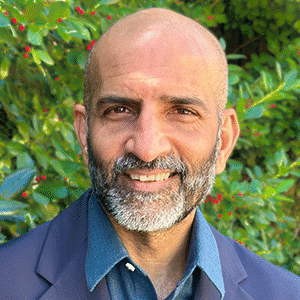
His scientific and clinical work focuses primarily on cardiac electrophysiology and arrhythmias. He is particularly recognized for his remarkable contributions in the field of cardiac fibrillations (atrial and ventricular fibrillation), the most devastating cardiac arrhythmias. He has demonstrated that these arrhythmias, described for decades as diffuse and chaotic circular activities (reentries, Garrey, Mines 1914) actually originate from localized sources.
Atrial fibrillation (AF) is the most common human arrhythmia and a major cause of embolic strokes. He demonstrated that the reentries considered to be the cause of AF were in fact the result of ultra-rapid focal activities generated outside the heart, in the vascular walls of the pulmonary veins, which were believed to be electrically inert. He proposed a catheter ablation technique to eliminate these foci, which is now the standard curative treatment worldwide. AF ablation is now the most commonly performed electrophysiology procedure, with the number of patients treated (1 million in 2023) growing each year.
Ventricular fibrillation (VF) is a major cause of sudden cardiac death, accounting for ≈10% of total mortality in adults worldwide. He demonstrated that AF was generated from focal sources, particularly from ventricular Purkinje cells (a tiny part of the myocardial mass) or individual myocardial areas in patients with structural heart disease. As with AF, he demonstrated that localized ventricular ablation was curative.
Michel Haïssaguerre has published over 1,000 articles in leading medical journals, mainly on the pathophysiology, mapping, and treatment of cardiac arrhythmias.
He enjoys an exceptional scientific reputation. He has received prestigious awards such as the Nylin Swedish Prize (2002), the Grüntzig Best Scientist Award (2003, European Society of Cardiology), the Pioneer in Cardiac Electrophysiology award (2004, North American Society of Pacing and Electrophysiology (NASPE, now the Heart Rhythm Society), and the Mirowski Award in 2009. In 2010, he received the Lefoulon Delalande Prize (Institut de France), the Louis Jeantet Prize for Medicine, and in 2014 became a member of the French Academy of Sciences and of Academy of Medicine. In 2015, the European Society of Cardiology awarded him the ESC Gold Medal for his outstanding work in the field of cardiology and electrophysiology. In the 2020s, he received numerous awards from national or continental cardiology societies.
In 2012, following an international competition organized by the French government, he created a unique institute dedicated to basic cardiac electrophysiology and modeling, the LIRYC, which welcomes 150 people from many nationalities.
Winner of an ERC Advanced Grant in 2021, he is currently working on a project (HELP) which aims to address the major challenge of identifying people at risk and preventing sudden cardiac death caused by ventricular arrhythmias.
Dr. Badhwar has dedicated his career to being an exceptional teacher, a master clinician in arrhythmia medicine, and an innovative investigator.
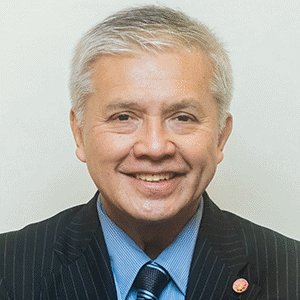
He is Professor of Medicine and Director of the Electrophysiology (EP) Fellowship training program at Stanford University, and was previously Director of the Cardiac Electrophysiology fellowship training program at the University of California, San Francisco.
A tireless educator, Dr. Badhwar continually strives to share an understanding of the beauty, simplicity but also complexity of intracardiac electrograms, their relationship to disease mechanisms, and how critically synthesizing complex data can dramatically improve outcomes for our patients.
Dr. Badhwar has developed cross-disciplinary collaborations that exposed trainees to new strategies, including innovative practical approaches to hybrid surgical therapy. He directs an annual ECG course that has become a go-to event for fellows and seasoned clinicians alike and is a sought-after speaker at Institutional and Societal forums, and fellows’ programs internationally.
Throughout his career, Dr. Badhwar has been dedicated not only to the professional growth of his trainees but also to their personal growth and well-being. As a testament to his success, his trainees have gone on to successful academic and entrepreneurial careers, and many continue to refer their trainees for additional mentorship.
Dr. Badhwar’s enthusiasm, creativity, and passion have resulted in pioneering work to define mechanisms for supraventricular and ventricular tachyarrhythmias, and novel strategies for their amelioration and cure. Dr. Badhwar is a master clinician and “go-to” resource for peers and trainees alike, and he is a model of collaboration who regularly travels within and outside the U.S. to offer practical help with difficult cases that have persisted despite several prior attempts. Dr. Badhwar’s efforts have been recognized nationally by his role in HRS board review courses and EP SAP teaching modules. He has published well over two hundred peer-reviewed articles and book chapters, has received extramural funding by several agencies, and has served in various editorial roles.
He pioneered the use of novel teaching techniques such as thoughtful use of heart specimens to explain the anatomical basis of arrhythmias and potential ablation approaches, now integrated into fellows’ teaching programs internationally. In summary, Dr. Badhwar epitomizes the “Guru” type of mentor who leads by example. His dedication to teaching, scientific excellence and advocacy for trainees is remarkable.
Dr. Koonlawee Nademanee is an internationally recognized cardiac electrophysiologist. He is Distinguished Professor of Medicine at Chulalongkorn University, Bangkok, Thailand, and Director of the Center of Excellence in Arrhythmia Research at Chulalongkorn University. He also directs the Pacific Rim Research and Heart Institute at Bumrungrad International Hospital.
Dr. Nademanee earned a Bachelor of Science and Doctor of Medicine degree from Chulalongkorn University. He completed internal medicine residency training at Tulane University and a cardiology fellowship at the West Los Angeles VA Medical Center and UCLA. He is board certified in Internal Medicine and Cardiovascular Disease and is certified in Clinical Cardiac Electrophysiology in the United States. His work bridges fundamental mechanistic insights with procedural innovation.
Throughout his career, Dr. Nademanee has advanced substrate-based mapping and catheter ablation strategies for complex cardiac arrhythmias. In atrial fibrillation, he helped establish the mechanistic and clinical relevance of fractionated electrograms—complex fractionated atrial electrograms (CFAEs)—and his CFAE-guided atrial fibrillation ablation strategy (JACC, 2004) has been widely cited, with more than 2,800 citations. In ventricular arrhythmias, he was the first to identify the right ventricular epicardium in humans—particularly the right ventricular outflow tract—as a critical arrhythmogenic substrate in J-wave syndrome (JWS), including both Brugada and early repolarization syndromes. He has led landmark clinical studies of catheter ablation for Brugada syndrome and refractory ventricular tachycardia, including electrical storm, and, together with colleagues, was among the first to firmly establish subtle myocardial fibrosis as an important pathological substrate underlying JWS. He recently published the first randomized clinical trial of catheter ablation in Brugada syndrome (BRAVE), demonstrating that ablation is effective and safe in preventing ventricular fibrillation recurrences. His pioneering work has led to effective therapies that prevent malignant ventricular arrhythmias, improving survival and quality of life for patients worldwide.
He was also among the early investigators describing Brugada syndrome in the context of sudden unexplained death syndrome in Southeast Asia and has contributed to consensus statements from the HRS, European HRS, and Asia Pacific Heart Rhythm Societies. He has authored more than 230 peer-reviewed original publications and has been recognized among Stanford/Elsevier’s “World’s Top 2% Scientists” for career-long impact. He serves on the editorial board of Heart Rhythm. His honors include an honorary Doctor of Medicine degree from Mahidol University (2005) and appointment as a Knight Grand Commander of the Most Illustrious Order of Chula Chom Klao, a Royal Thai decoration.
Purpose
Distinguished Allied Professional Award
Recognition for an Allied who has demonstrated strategic leadership in the HRS allied community throughout his/her career, and in doing so has furthered the field of electrophysiology and patient care
Distinguished Scientist Award
Recognition for an individual who has made major contributions to the advancement of scientific knowledge in the field of cardiac pacing and/or cardiac electrophysiology
Distinguished Service Award
Recognition for an individual who has made outstanding contributions to the Heart Rhythm Society
Distinguished Teacher Award
Recognition for an individual who has demonstrated outstanding skills as a teacher in the field of cardiac pacing and/or electrophysiology
Pioneer in Cardiac Pacing and Electrophysiology Award
Recognition of an individual whose innovative or original work in cardiac pacing and/or cardiac electrophysiology has made significant contributions to the field
Learn more about the James H. Youngblood Excellence in Leadership Award
Eligibility
Nominations for Heart Rhythm 2026 Recognition Awards are no longer being accepted.
- Any Heart Rhythm Society member in good standing may submit a nomination.
- Only Heart Rhythm Society members are eligible to be nominated for Recognition Awards, except for the Distinguished Service Award and the Pioneer in Cardiac Pacing and Electrophysiology Award which are also available to non-members.
- The Distinguished Service Award recognizes outstanding service to the Society exclusively.
- The recipient of the James H. Youngblood Excellence in Leadership Award cannot currently be employed by Industry.
- Members of the Governance Committee, the Awards Subcommittee, and Officers are ineligible to be nominated.
Considerations
NEW Nomination Guidelines
- Two nominations are required for each candidate; additional nominations or supporting letters will not be considered.
- Nominators cannot nominate more than two candidates for any Recognition Award or more than one candidate per category.
- Nomination letters (2 pages maximum) must come from individuals only (not on behalf of a group or with multiple signatures).
- Additional nomination requirements vary per award; begin the nomination process to learn more.
- Award nominations are active for three years; if a nomination was submitted within the last three years, the nomination is on file and there is no need to resubmit.
Awards
Award winners receive:
- Complimentary Annual Meeting registration
- Hotel accommodations for four nights of the Annual Meeting
- Travel stipend for the Annual Meeting
- Presentation of award at the Annual Meeting
- Commemorative plaque
Questions?
Please contact [email protected].
Heart Rhythm Society Statement of Health Equity
HRS stakeholders share a common passion for accomplishing our mission to end death and suffering from heart rhythm disorders.
We believe our diverse backgrounds, experiences and interests are assets in reaching that goal, and we are committed to providing an inclusive environment in all our activities, where everyone feels valued, respected, and welcome.
We strive to have organizational leaders who reflect our members and the patients they serve and who promote a welcoming culture that essential to our success.